On Behalf Of Wolfe Law Tampa
Apr 10, 2026

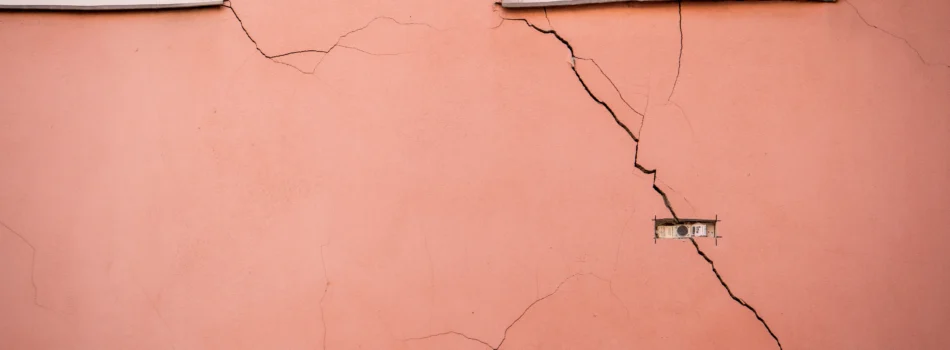
If you discovered a construction defect after closing, you may have the right to hold the contractor, developer, or seller accountable. Responsibility depends on the nature of the defect, when it was discovered, and who was involved in the construction or sale of the property. In Florida, multiple parties can be held liable, and the law provides specific procedures that must be followed before a lawsuit can be filed.
Florida recognizes that responsibility for construction defects does not always rest with a single party. Depending on the facts of your situation, liable parties may include:
Both homeowners and commercial property buyers have legal options when defects surface after a transaction closes, including the right to pursue a construction defect claim against the responsible parties.
Not every imperfection rises to the level of a legal claim. Florida defines a construction defect broadly under Florida Statutes Chapter 558 to include deficiencies in design, workmanship, materials, and code compliance. The deficiency must result in actual property damage or a material impairment of the structure’s use or habitability to support a claim. Common defects seen in Tampa properties include:
Before filing a lawsuit in Florida, property owners must follow the pre-suit notice requirements. This process requires you to serve written notice of the defect on the contractor or other responsible party, who then has an opportunity to inspect the property and respond with a settlement offer, repair proposal, or denial. This step is mandatory in most cases, and skipping it can jeopardize your claim.
Florida also imposes strict deadlines. Under Florida Statutes Section 95.11, the statute of limitations for construction defect claims is generally four years from the date the defect was discovered or should have been discovered. A separate statute of repose under Section 95.11(3)(c) bars claims brought more than ten years after the latest of four triggering events:
Missing either deadline can cost you your right to recover, no matter how serious the defect.
Construction defect claims involve multiple parties, strict procedural requirements, and deadlines that move quickly. Wolfe Law Tampa PLLC has represented property owners, contractors, and developers in construction defect disputes for more than 25 years. Call 813-803-0022 or contact us online to get started.
© Copyright 2026 Wolfe Law Tampa. All Rights Reserved.
