On Behalf Of Wolfe Law Tampa
Mar 28, 2026

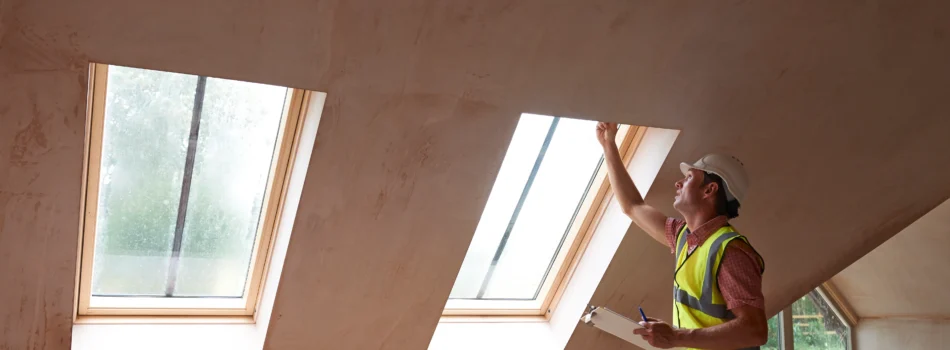
In Florida, liability for condo construction defects typically falls on the developer or contractor who built the project, but the path to recovery runs through the homeowners association (HOA) or condo association acting on behalf of property owners, who have a common interest in the building’s integrity.
These cases tend to involve more legal complexity than a standard construction defect claim, which makes early legal consultation especially important.
In most Florida condominium construction defect cases, the developer is the primary liable party. Developers are responsible for delivering a building that meets the Florida Building Code. The quality of a condo must also reflect the promises, descriptions, and statements presented to buyers of units (or the building itself).
When developers are responsible for faulty design, substandard materials, or poor workmanship, they are also responsible for the harm those shortcomings cause.
Florida’s Construction Defect Statute, Chapter 558, governs how claims like these unfold. The first step is for the claimant to serve the developer with a written notice of the defect. The developer must then have an opportunity to inspect the defect and make a settlement offer.
In Florida, the condominium association typically has the right to pursue claims for defects affecting multiple community members, such as roofs, foundations, hallways, exterior walls, and shared building systems. Individual property owners generally handle claims for defects within their own units.
Under the Florida Condominium Act, the HOA has a fiduciary duty to maintain and repair common elements. For you, this could mean:
Condo associations and HOAs can have conflicts of interest. Having your own condo construction defect attorney can ensure your interests are protected and advocated for.
Recoverable damages in Florida condo claims typically include:
The amount recoverable in any claim brought by an HOA or property owner depends largely on the scope of the defect, the strength of documentation, and whether the developer’s insurance remains a viable option for coverage.
As of April 2023, Florida legislators shortened the statute of repose for construction defect claims from ten years to seven years, per § 95.11, Florida Statutes. The deadline for filing a condo construction defect claim could be looming, as it is not always clear when the filing window opens and closes.
Our team at Wolfe Law Tampa PLLC has been resolving construction defect disputes throughout Tampa and the state of Florida for over 25 years. Let us evaluate your case and pursue every dollar you are owed. Contact us today or call 813-803-0022 to schedule a confidential consultation.
© Copyright 2026 Wolfe Law Tampa. All Rights Reserved.
