On Behalf Of Wolfe Law Tampa
Apr 21, 2026

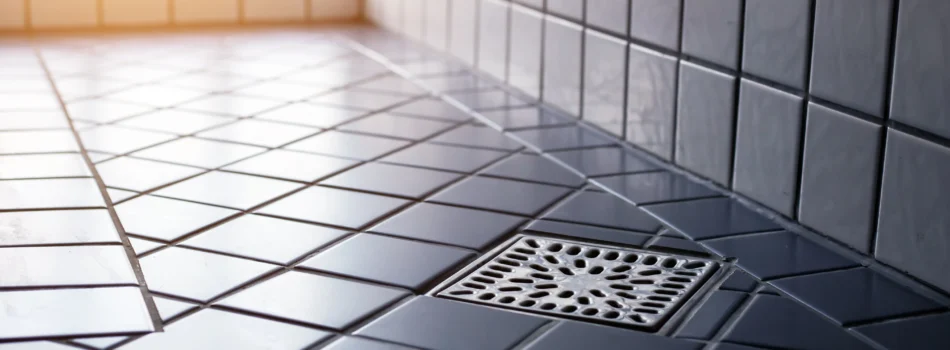
Cosmetic issues can qualify as construction defects, but whether they support a legal claim depends on the nature of the problem, the applicable contract terms, and whether the issue reflects a failure to meet the agreed-upon standard of workmanship. Not every imperfection rises to the level of an actionable defect, but cosmetic problems that stem from substandard work or materials are not automatically disqualifying just because they appear minor on the surface.
Florida law defines construction defects broadly under Florida Statutes Section 558.002, which covers deficiencies arising out of design, specifications, planning, supervision, or construction, resulting from defective materials or components, code violations, failures to meet applicable professional standards of care, or a failure to construct in accordance with accepted trade standards for good and workmanlike construction.
A cosmetic issue becomes a legal defect when it reflects a departure from the plans, specifications, or the standard of care applicable to the type of work performed. Examples of cosmetic issues that may qualify as defects include:
The key question is whether the condition reflects a workmanship failure, not simply a matter of personal taste.
Some cosmetic issues are symptoms of a more serious underlying defect. Cracks in drywall or stucco may indicate foundation movement or structural settlement. Discoloration on walls or ceilings can point to water intrusion. Warped flooring may reflect moisture problems beneath the surface. In these situations, the cosmetic issue itself may be the least of the problem, and pursuing a construction defects claim based on what appears to be a surface issue could uncover a defect with far greater consequences for the property’s value and safety. A thorough inspection before drawing any conclusions about the scope of the damage is an important first step.
What counts as an acceptable finish is often defined by the contract, the project specifications, or applicable industry standards. If a builder warranted a specific quality of finish and the delivered work falls short, that gap can form the basis of a claim regardless of whether the defect affects structural integrity.
New construction contracts frequently include limited warranties that cover workmanship for a defined period. Reviewing those documents carefully is a necessary step before determining whether a cosmetic defect claim is viable under the terms the parties agreed to.
Cosmetic defect claims require a close look at the contract terms, the applicable workmanship standards, and the full extent of the condition before any conclusions can be drawn about what is recoverable. Attorney Adam Wolfe of Wolfe Law Tampa PLLC handles construction litigation for property owners and contractors throughout the Tampa area. Call 813-803-0022 or contact us online to discuss what you are dealing with.
© Copyright 2026 Wolfe Law Tampa. All Rights Reserved.
