
Tampa Residential Construction Defects Lawyer
 You saved up, signed a contract, and trusted a builder with what may be the most substantial investment of your life. Then you discovered a defect, whether it be a cracked foundation, water seeping through the roof, mold spreading behind the walls, or another problem requiring a costly fix.
This circumstance is all too common, and it is one our Tampa residential construction defects lawyers help homeowners address head-on.
Florida law gives you tangible rights to recover what you are owed for a construction defect, but those rights come with strict deadlines, procedural traps, and other hurdles that can derail even legitimate claims.
Our construction defects lawyer at Wolfe Law Tampa PLLC is ready to evaluate your case. Call us today at 813-803-0022 or contact us online to schedule your consultation.
Why Homeowners in Tampa Choose Our Firm
Adam Wolfe brings a level of focused construction law experience that is genuinely rare in this region:
- J.D. cum laude from Cornell Law School, with more than 25 years handling construction disputes
- Board Certified in Construction Law by The Florida Bar, a designation that requires passing a rigorous exam, demonstrating substantial case experience, and undergoing peer review by fellow attorneys and judges
- Represented clients ranging from individual homeowners to Fortune 500 companies in construction defect matters
We serve homeowners throughout Hillsborough County and the greater Tampa Bay area from our office at 400 N. Tampa Street, Suite 2820, Tampa, FL 33602.
Construction defect work is not a side practice here; it is a primary focus. More importantly, when you hire our firm, you work directly with Adam from start to finish. Your file does not get handed off to a paralegal or a junior associate after your first meeting.
What Qualifies as a “Construction Defect” in Florida?
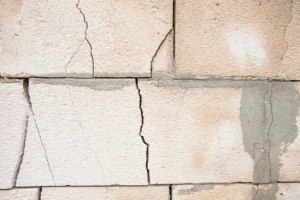 Under § 558.002, Fla. Stat. (2025), a construction defect is any deficiency arising out of the design, specifications, planning, supervision, construction, or repair of real property. Defects fall into two categories:
- Patent defects: These are visible or discoverable problems, such as foundation cracks, a sagging roof, or improperly installed windows. The clock on your deadline for filing a patent defect claim typically starts when you discover (or should have discovered) the defect.
- Latent defects: These defects are not as discoverable, as they may not surface until months or years after someone inspects or moves into a property. Examples of possible latent defects include water infiltration behind stucco or inadequate structural framing. These are especially common in Tampa, where intense summer rains and high humidity tend to, eventually, expose shoddy workmanship.
Some of the defects our residential construction defects lawyer sees in Tampa-area homes are:
- Foundation settlement
- Roof leaks
- Mold from poor moisture barriers
- Defective stucco
- Plumbing failures within walls
- Inadequate hurricane strapping
Florida’s subtropical climate can make the consequences (and costs) of these issues more severe than they might be in other regions.
Before Tampa Homeowners Can Sue, They Go Through Florida’s Chapter 558 Process
Florida law requires homeowners to complete a mandatory pre-suit process before filing a construction defect lawsuit. Chapter 558 of the Florida Statutes, known as the state’s “Notice and Right to Cure” law, works like this:
- The claimant serves notice of claim: You must serve the contractor, subcontractor, or design professional with a written notice identifying each alleged defect at least 60 days before filing a lawsuit (or 120 days for projects with more than 20 residential units).
- The inspection period opens: The responsible party has 30 days to inspect the property.
- The contractor provides a written response: Within 45 days, the contractor must respond in writing. They may offer to repair the defect, make a monetary offer, or dispute the claim. You are not obligated to accept any offer they make, and our Tampa residential construction defects lawyer will help you decide whether their offer is acceptable.
The way you draft this notice matters enormously. A vague notice, one that fails to name all responsible parties, or one that is flawed in another way, could limit your options and leverage in litigation. This is not a step to handle without an attorney.
A Few More Deadlines Claimants in Tampa Cannot Ignore
In addition to the time-sensitive considerations we just shared, Florida imposes strict deadlines that determine whether a claim is viable.
Florida imposes two-layered time limits on construction defect claims:
- You generally have four years from the date you discovered the defect to file suit
- However, the firmer deadline is the statute of repose
Under § 95.11(3)(b), Fla. Stat. (2025), residential homes and townhomes have a seven-year outer limit from the date the certificate of occupancy or certificate of completion is issued. Once that window closes, your claim is almost certainly ineligible, regardless of how serious the damage is or how strong your case would have been.
These deadlines are one of the most obvious and important reasons to contact our team serving Tampa right now.
Who Is Responsible for Your Defective Home in Tampa?
Responsibility in residential construction cases is rarely simple.
At Wolfe Law Tampa PLLC, we will investigate your case, determining if liable parties include:
- A general contractor
- One or more subcontractors
- An architect
- One or more engineers
- Production builders or developers
- Material suppliers
- One or more other parties whose negligence or intentional concealment of defects has led to this claim
Florida law allows you to bring claims against multiple parties simultaneously. Trust Attorney Wolfe and our team to identify all parties who are responsible for the defects that are causing you undue stress.
We Handle Many Construction Defect Claims. These Are Some Questions We Hear Often.
Clients often face misdirection and deception from those responsible for construction defects, and many of those clients want to know:
My Builder Says Cracking Is Merely a Symptom of “Normal Settling.” How Do I Know if It’s Actually a Defect?
Some minor cosmetic cracking in the drywall is expected. Cracks in concrete slabs, widening structural cracks, or doors and windows that stick due to foundation movement are not. Have an independent structural engineer evaluate the property before accepting the builder’s explanation.
The Contractor Offered to Fix the Defect. Should I Let Them?
Not without involving Attorney Wolfe first. Repair attempts made without a written scope of work, proper documentation, and independent oversight can complicate your legal position if the problems persist or worsen.
I Bought the Home From a Previous Owner and Found Defects After Closing. Do I Have a Claim?
Yes. Subsequent purchasers have rights under Chapter 558. The 7-year repose period runs from original construction, not your purchase date. If the seller knew about a defect and concealed it, you may also have a separate fraud or misrepresentation claim.
Call Wolfe Law Tampa PLLC Today for a Consultation with Our Residential Construction Defects Lawyer
Residential construction defects tend to worsen (and become more expensive) over time. Protect yourself by speaking with our construction defect lawyer at Wolfe Law Tampa PLLC today.
Call 813-803-0022 or reach out online. The consultation is confidential, the advice is direct, and the sooner you act, the more strategic options may remain available to you.

400 N. Tampa Street
Suite 2820
Tampa, FL 33602
Directions
© Copyright 2026 Wolfe Law Tampa. All Rights Reserved.
